A beautiful, smooth pool surface isn’t just about aesthetics—it’s also about safety, comfort, and long-term durability. Over time, pool plaster can crack, stain, or wear thin, making it necessary to give your pool a fresh layer. If you’ve been wondering how to replaster a swimming pool, this guide will walk you through the process, discuss replastering a pool cost, and explain why hiring professionals can make all the difference.
At Rhino Pool Pros, we specialize in pool replastering, pool resurfacing, and complete Houston pool renovations—ensuring every pool gets a flawless, long-lasting finish.
Why Replastering a Pool is Necessary
Even the best pool plaster isn’t meant to last forever. On average, plaster surfaces last 7–10 years before they start to show signs of deterioration. You may notice:
Rough, sandpaper-like texture
Discoloration or stubborn stains
Cracks or chips in the plaster
Visible concrete underneath
Water loss due to surface damage
If these issues sound familiar, it’s time to learn how to replaster a swimming pool or call in the experts for a professional finish.
Understanding Replastering a Pool Cost
The cost to replaster a swimming pool depends on factors like pool size, surface condition, material choice, and location. On average:
Small residential pool: $4,000 – $6,500
Medium-sized pool: $6,500 – $9,000
Large pool or high-end finishes: $9,000+
Additional costs can arise if your pool needs concrete pool repair, tile replacement, or pool deck resurfacing.
If you’re searching for pool replastering near me in Houston, our team provides transparent estimates so you know exactly what to expect before work begins.
Step-by-Step: How to Replaster a Swimming Pool
1. Drain the Pool Safely
The first step is removing all water from the pool. This is done using a submersible pump, ensuring water is directed away from your home’s foundation. Safety is key—improper drainage can cause pool shell damage.
2. Prepare the Pool Surface
After draining, the old plaster must be chipped, sandblasted, or hydro-blasted to create a rough surface for the new plaster to bond. At Rhino Pool Pros, we also inspect for cracks, structural damage, or leaks before moving forward.
3. Apply Bonding Agent
A bonding coat is applied to ensure a strong connection between the old surface and the new plaster. Skipping this step can cause premature peeling or delamination.
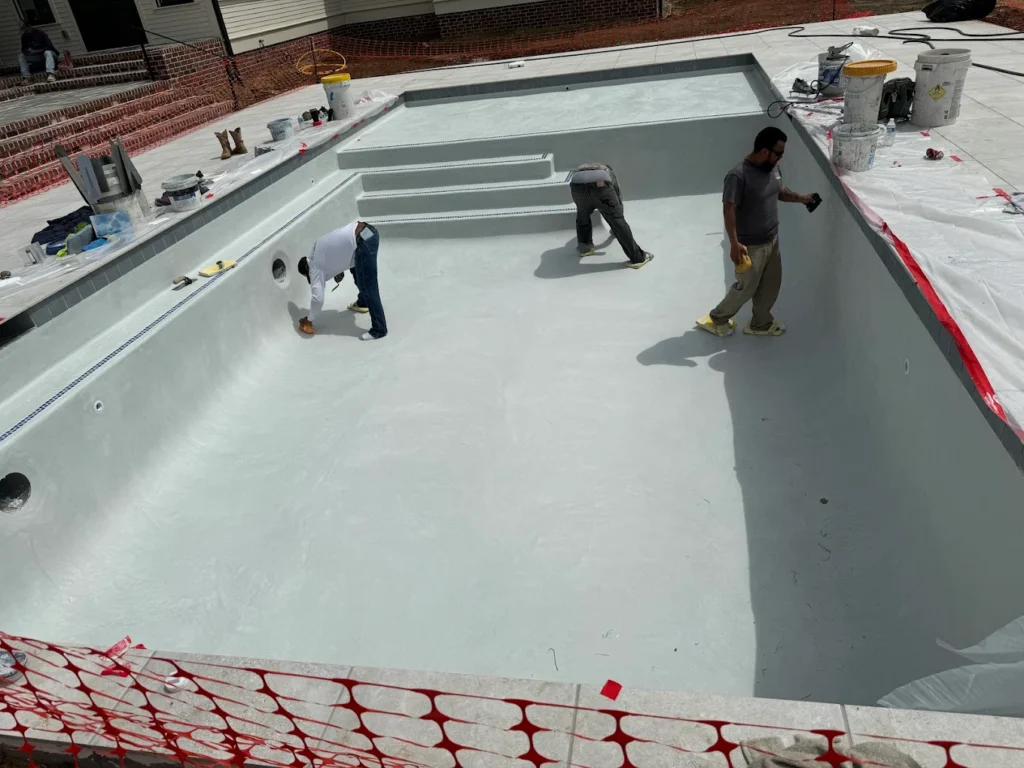
4. Mix and Apply New Plaster
Using high-quality materials, the new plaster is mixed on-site and applied using trowels for an even, smooth finish. Common choices include:
Standard white plaster
Colored plaster for a customized look
Pebble finishes for durability and texture
5. Smooth and Cure the Plaster
Once applied, the plaster is smoothed with precision tools. The curing process is critical—this involves refilling the pool promptly and balancing water chemistry to avoid etching or discoloration.
6. Balance Water Chemistry
For the first week after replastering, water chemistry must be monitored daily. Maintaining proper pH, alkalinity, and calcium hardness ensures the plaster hardens correctly.
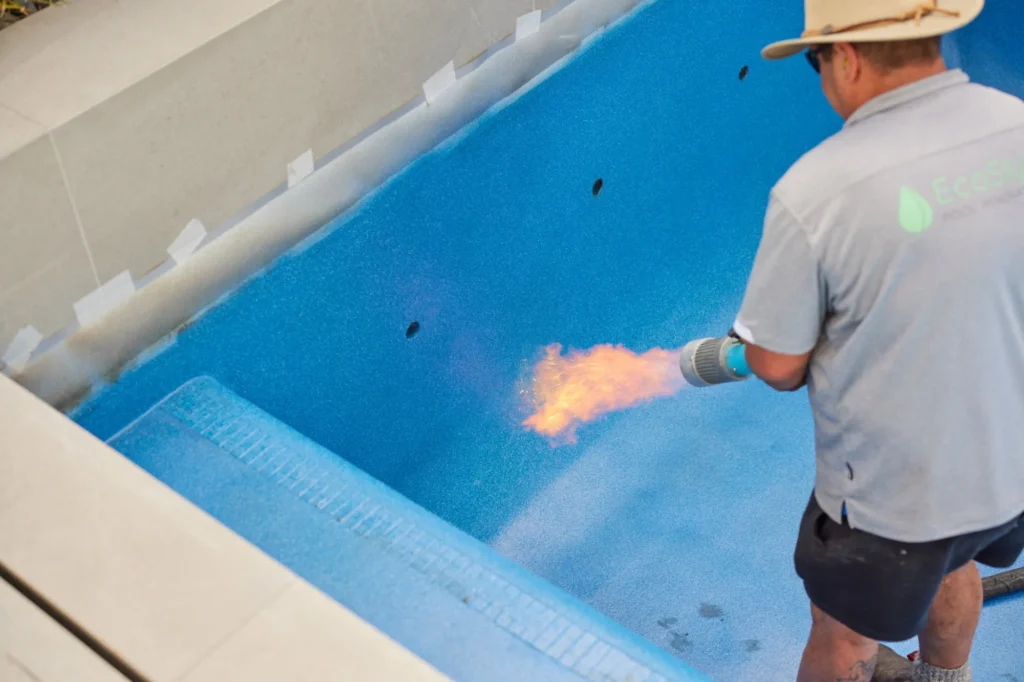
DIY vs. Professional Pool Replastering
While online videos make how to replaster a swimming pool seem straightforward, it’s a labor-intensive job requiring experience and specialized tools. Mistakes can be costly, leading to uneven surfaces or premature deterioration.
Hiring a trusted company like Rhino Pool Pros guarantees:
Correct surface prep and bonding
Even application for a flawless look
Proper curing to maximize lifespan
Warranty-backed workmanship
How Often Should You Replaster a Pool?
Most pools need replastering every 8–10 years, but heavy usage, harsh weather, and poor water balance can shorten that lifespan. Scheduling regular pool maintenance can extend the time between replastering projects.
Tips to Extend Your New Plaster’s Life
Maintain balanced water chemistry year-round.
Brush the pool walls weekly to prevent algae buildup.
Avoid draining the pool unnecessarily.
Schedule inspections for cracks or leaks early.
Final Thoughts
Knowing how to replaster a swimming pool can help you appreciate the work that goes into restoring its beauty and durability. While some homeowners attempt it themselves, hiring experienced professionals ensures the job is done right the first time.
At Rhino Pool Pros, we provide expert pool replastering, gunite pool resurfacing, and Houston pool renovation services to make your pool look brand-new again.
Quick FAQ
Most projects are completed in 3–5 days, depending on weather and pool size.
It’s best to wait until the curing process is complete, usually 5–7 days.
Spring and fall offer ideal conditions for plaster curing in Houston’s climate.